
Wasp Extermination and Prevention
A wasp can sting multiple times. Unlike a bee, a wasp's stinger has no barb, so it can sting again when it feels threatened. In such situations, it is best to calmly move away and leave the area.
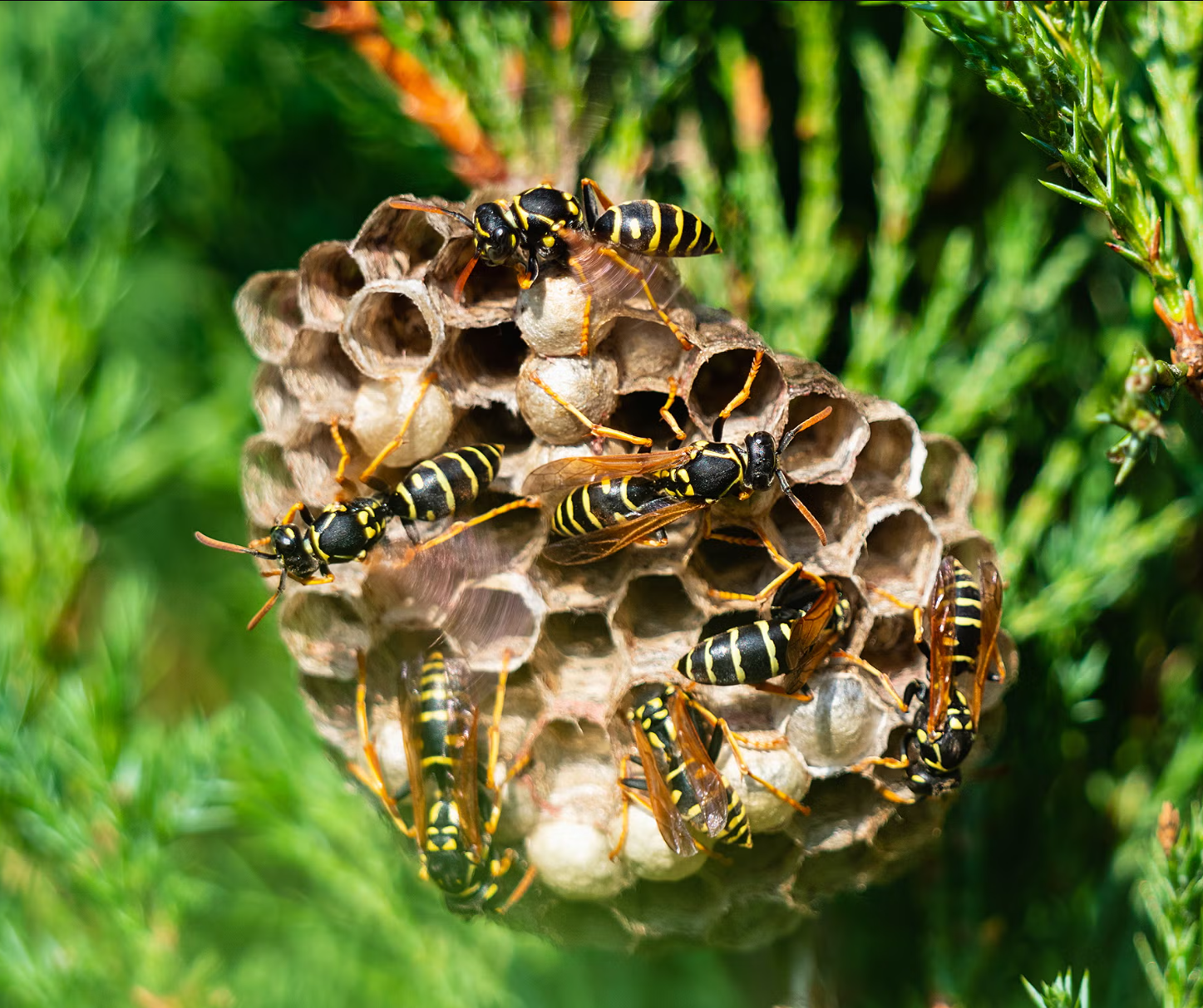
Many wasp species build large nests. They mix wood fiber with saliva to create a paper-like material used to build their nests. As guardians of ecosystem balance, wasps feed on other insects (flies, caterpillars, ants) and help control their numbers. However, when a wasp nest appears close to a home, this benefit turns into a risk.
As winter approaches and food becomes scarce in nature, wasps crave sweets: they are drawn to fruit, desserts, and drinks, and move closer to homes. Open containers and food leftovers attract them especially.
When threatened, a wasp releases an "alarm" pheromone that calls other colony members to help.
Balaveri Services
Balaveri carries out pest control using the Pest Insights Map in real time, with 24/7 monitoring and signal analysis on a single screen.
The IRMS dashboard shows the "hot spots" of wasp activity on the site in real time and gives us recommended actions: where to add a trap, what needs to be sealed, and when to change


